Deck and fastening
The roof deck supports the shingles and holds the fasteners. Deteriorated decking needs attention, and fastening follows the product and roof conditions.
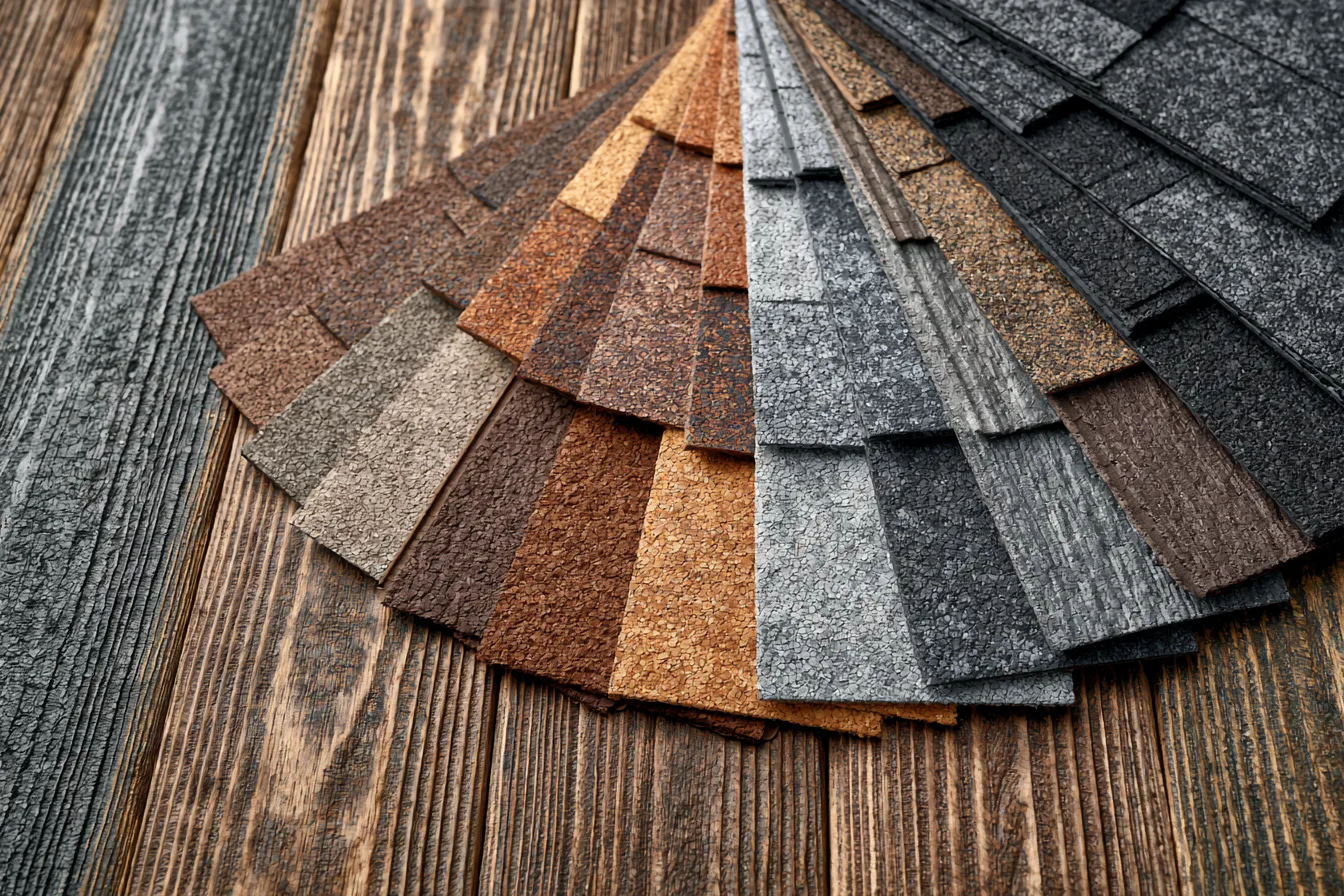
Choose shingles by the roof’s needs, the appearance you want and the performance the product actually documents.
A shingle choice affects the house’s appearance, but it also changes the roof’s construction and product coverage. Start with the distinction between the shingle style and its tested performance.
Architectural shingles have a layered profile; impact resistance is a separate product characteristic. A shingle can have both. The material choice still needs a sound deck, proper underlayment and compatible flashing.
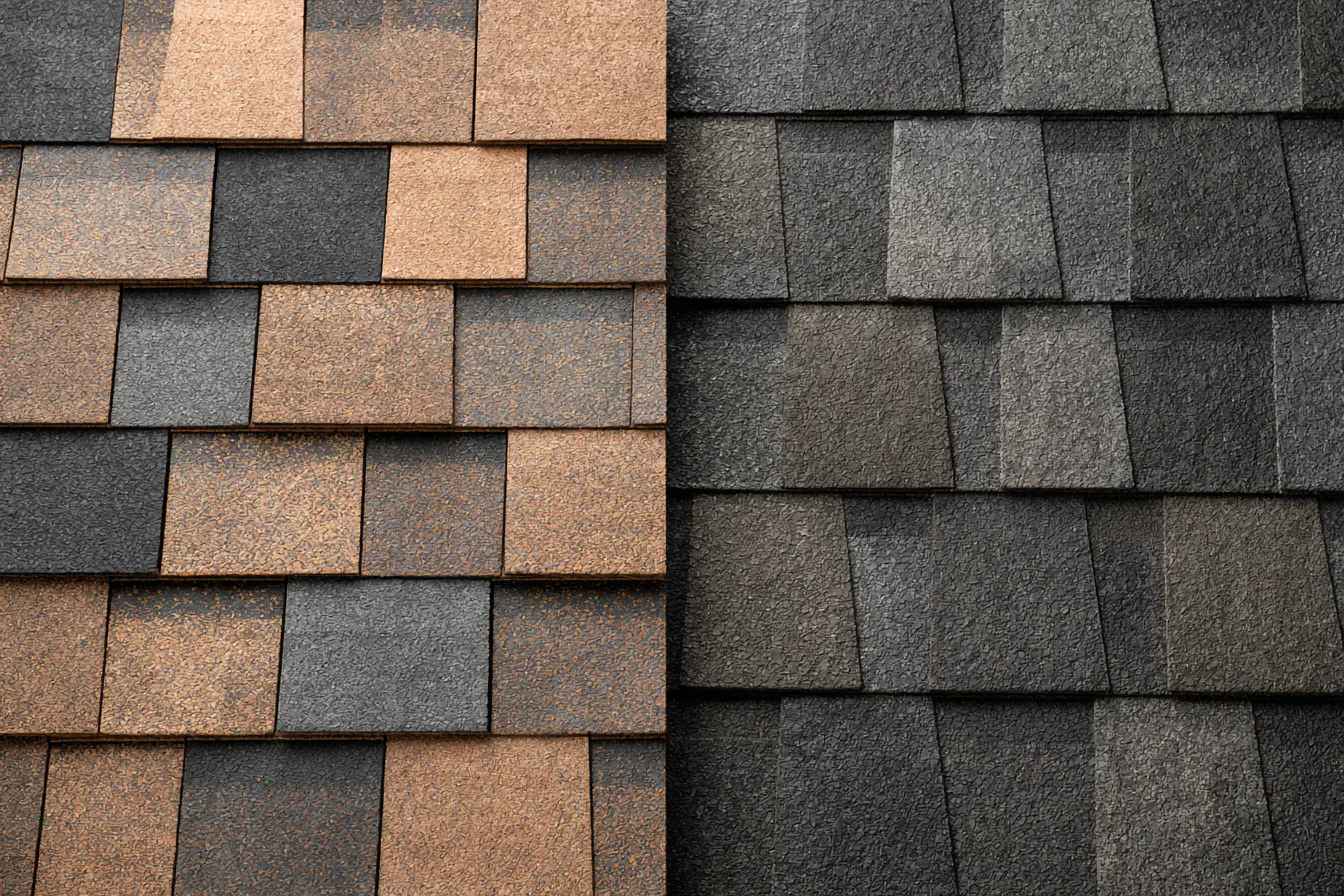
These are categories, not promises that every product in one group performs alike. Product documentation establishes the specific ratings and coverage.
| Option | What it changes | What to consider |
|---|---|---|
| Three-tab shingles | A flatter, regularly spaced tab pattern. | A simpler appearance and product availability for the intended roof or repair. |
| Architectural shingles | A layered profile with more varied shadow and depth. | Color, compatible components, installation requirements and the particular product’s performance ratings. |
| Impact-resistant shingles | A product tested under an impact-resistance standard. | The actual rating and test method, product exclusions, installed cost and whether your insurer offers a discount. |
| Designer shingles | A more pronounced shape or a style intended to resemble slate or wood. | The visual scale on the house, product weight and roof-system requirements. |
Impact testing helps compare shingles under stated test conditions. It does not establish that a roof will escape damage from every hailstorm. Wind-driven debris, flashing damage and the quality of installation still matter.
Oklahoma Insurance Department guidance encourages homeowners to consider hail-resistant roofing and notes that some insurers offer discounts. Eligibility and the amount come from the policy and insurer; the label on a shingle does not automatically change the premium.
If damage is the reason you’re choosing material, start with storm and hail damage help so the present roof is assessed before the replacement choice is made.
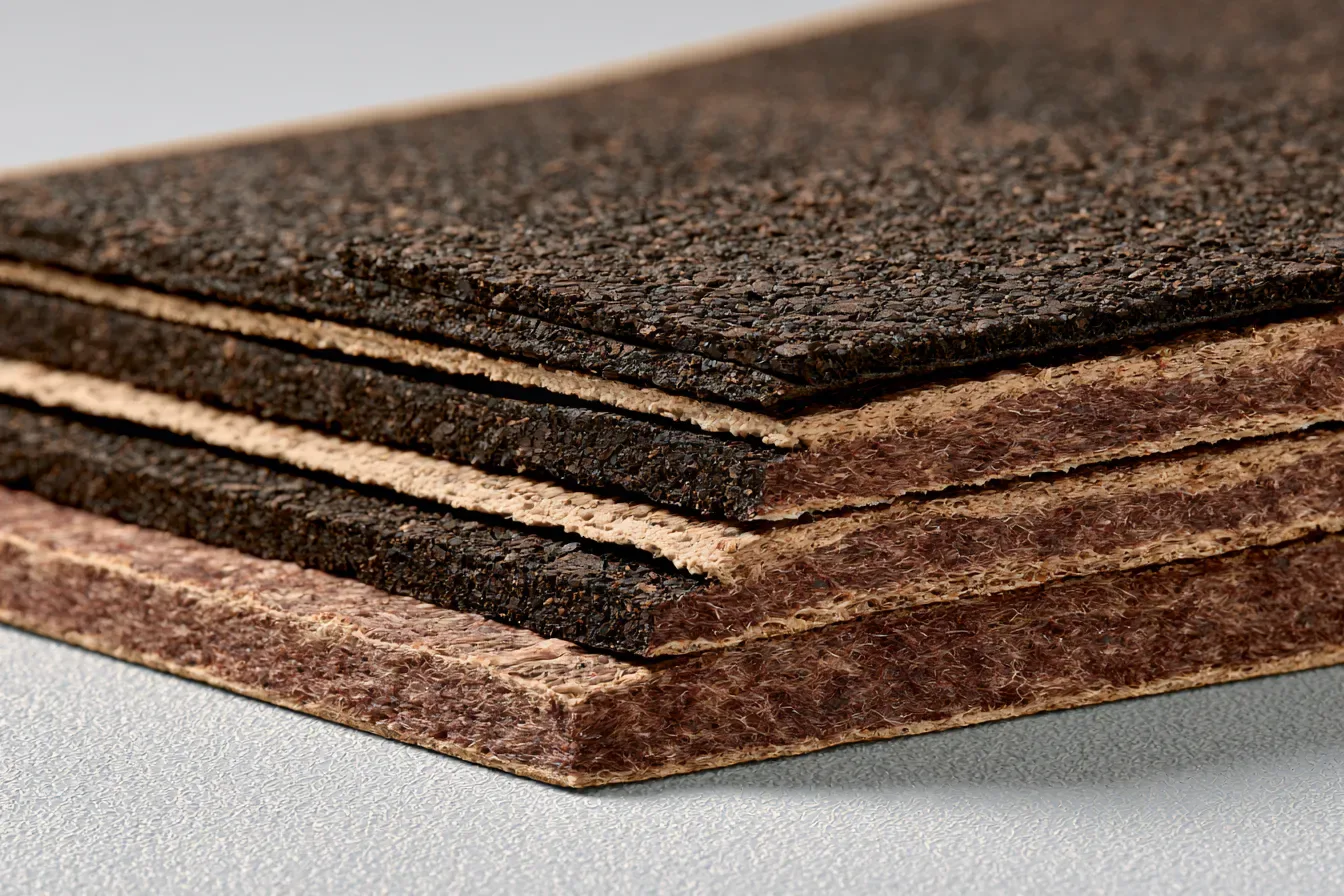
A premium surface cannot repair a weak base or a failed connection. Material choice belongs in a complete replacement decision.
The roof deck supports the shingles and holds the fasteners. Deteriorated decking needs attention, and fastening follows the product and roof conditions.
The layers below the shingles and the metal at walls, valleys and openings manage water that reaches those connections. They need to be compatible with the new roof.
Intake and exhaust must work as a system. Product warranty terms and installation coverage are separate, and their requirements need to fit the installed work.
No. Architectural describes the layered style. Impact resistance comes from the specific product’s testing and rating. A product can have both characteristics, but the architectural label alone does not establish impact resistance.
No. A tested rating describes performance under a defined test. Real storms differ in hail size, wind and debris, and other roof components can still be damaged.
Sometimes, but weathering, product changes and discontinued colors can prevent an exact match. A repair needs compatible material first; the appearance and available options are discussed alongside that requirement.
Arrange a roof inspection and explain the look and concerns you have in mind. Our roof replacement service covers how the material choice joins decking, flashing and the rest of the work.
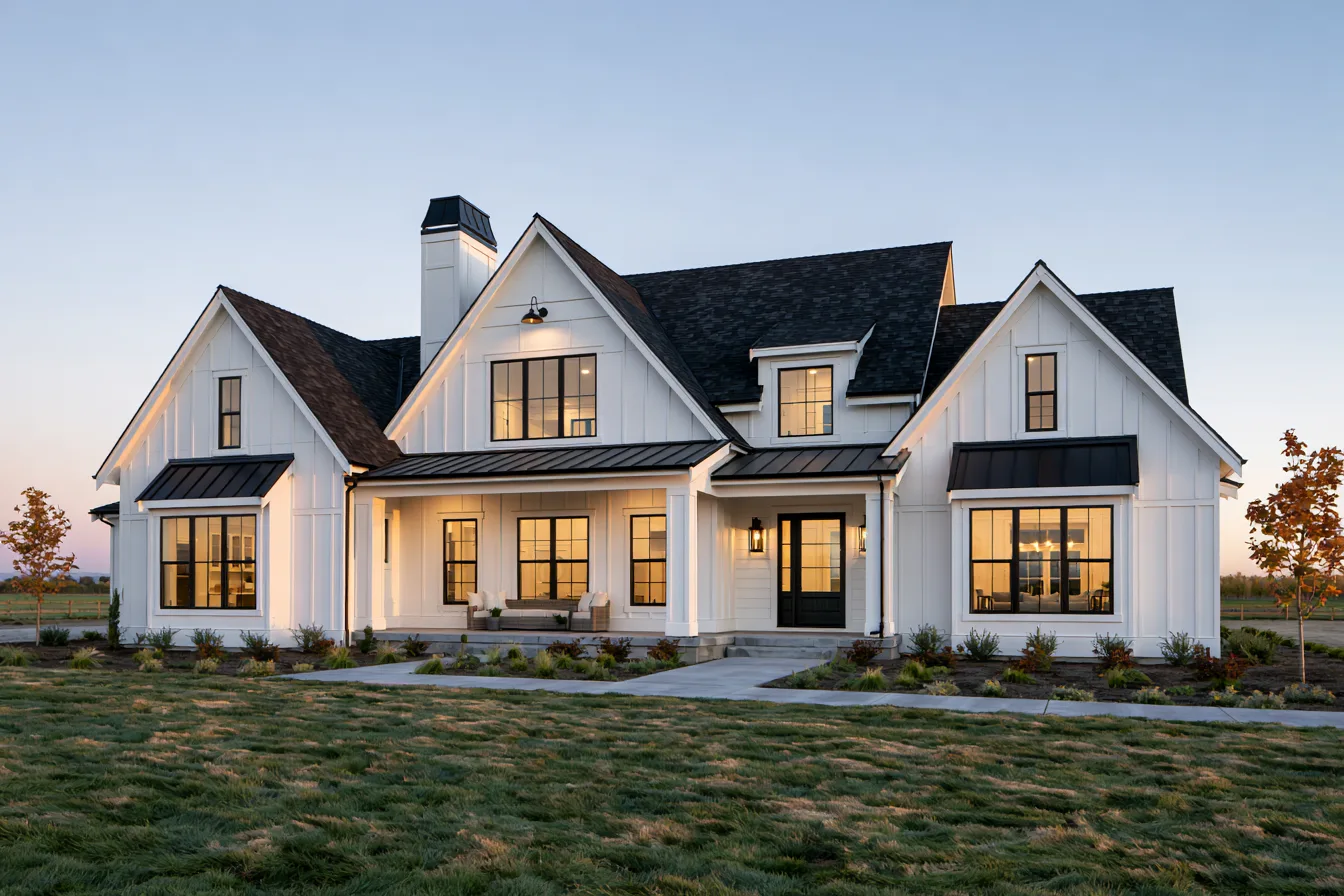
Tell us whether you’re planning replacement or repairing existing shingles. We’ll help connect the material choices to the roof’s condition.