Storm timing is not proof by itself
Wind or hail in the area can support the event context. Damage still has to be established at the property. Roof wear and storm-related changes need to be considered together.
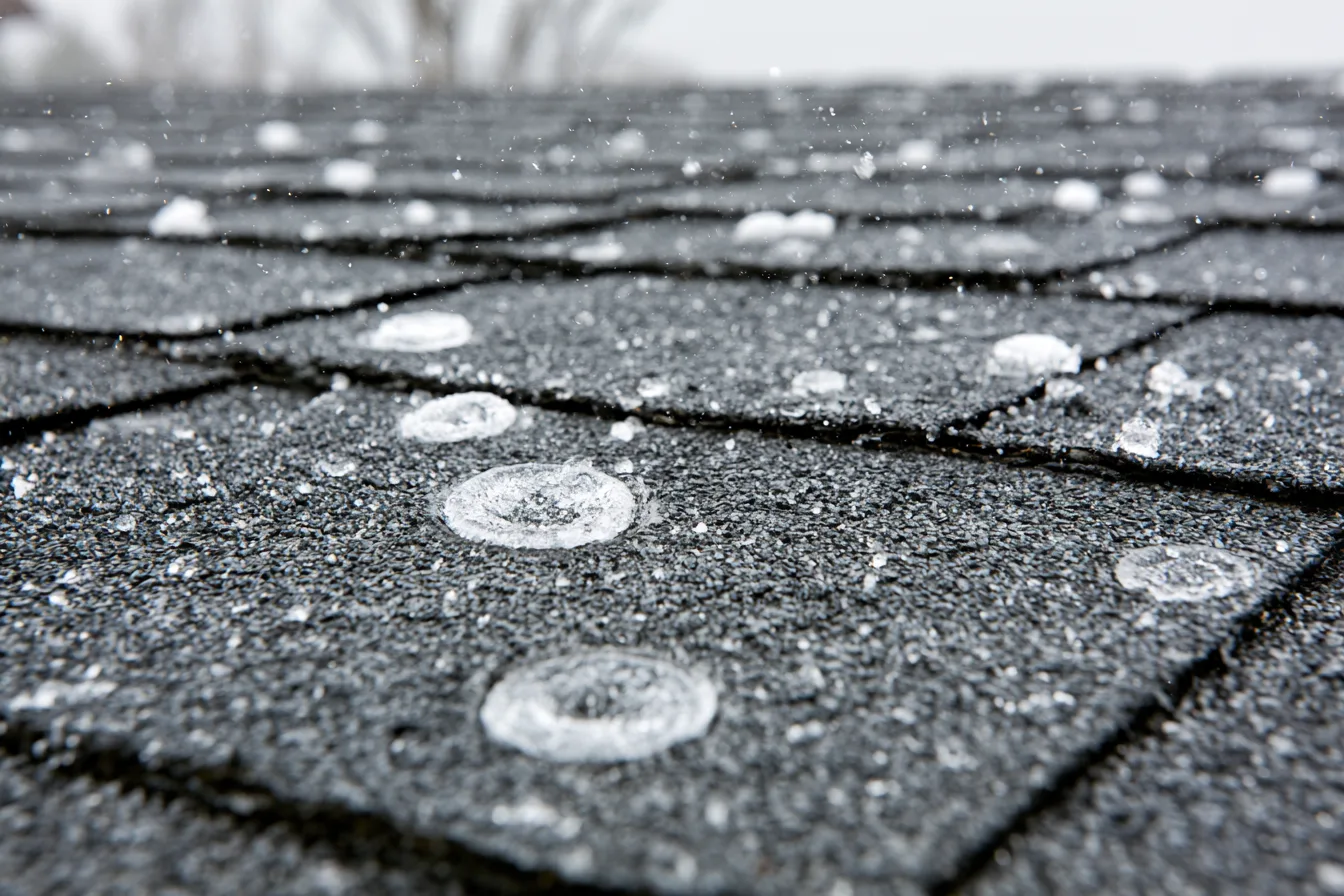
Roof condition and policy payment answer different questions. Read the guide below or request a free inspection for the roofing concern at your property.
The roofing inspection identifies the condition and work. Your policy and insurer determine whether the cause is covered and how much a claim pays. Keeping those roles clear prevents a roof estimate from becoming an assumed coverage promise.
Oklahoma Insurance Department guidance notes that wind and hail policies can have separate deductibles, cosmetic exclusions and roof-specific terms. The actual policy and claim documents control; the roof’s appearance or a nearby storm report cannot establish payment.
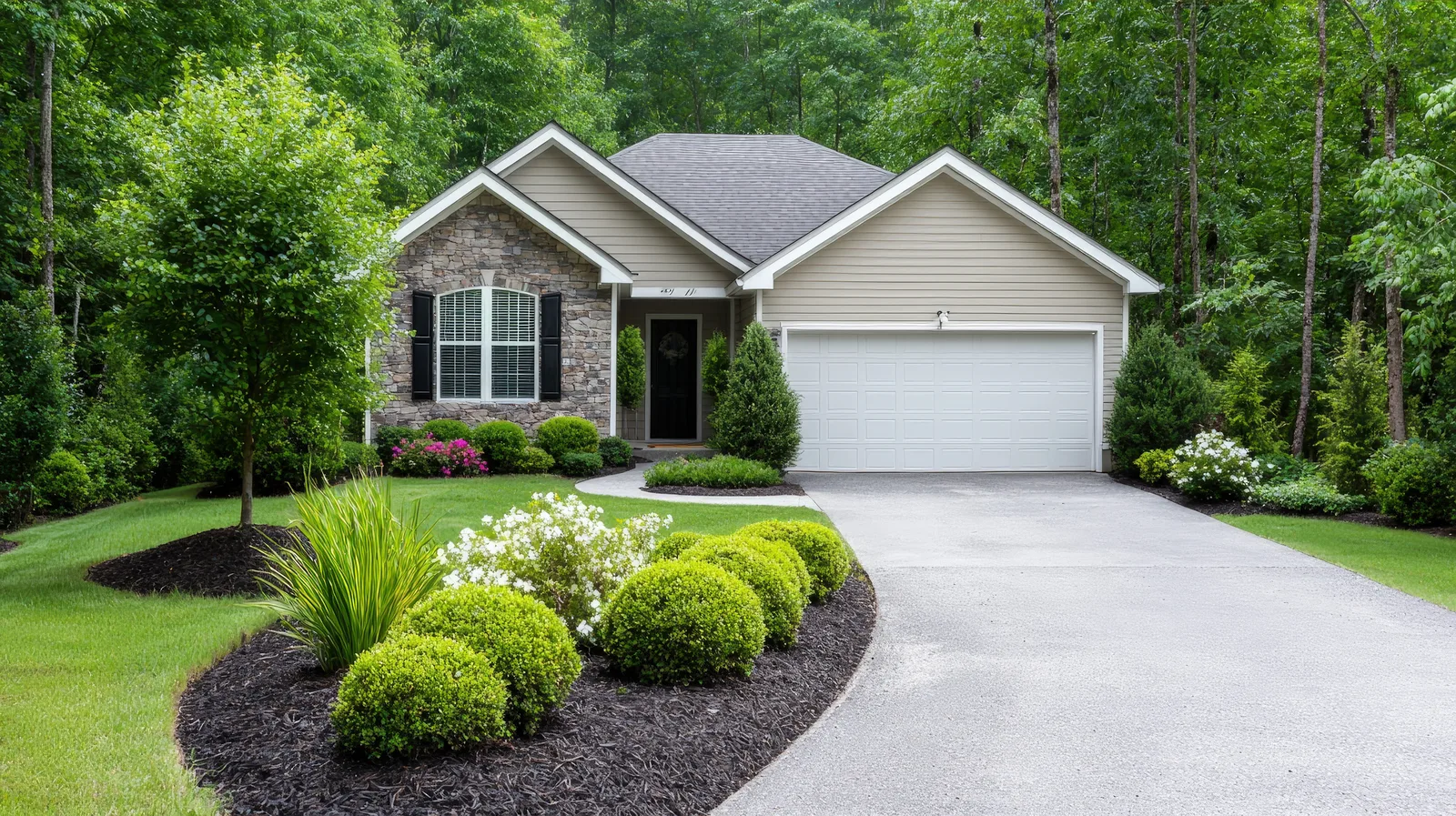
These policy terms can change the owner’s portion even when some damage is covered.
| Term | What it affects | Practical distinction |
|---|---|---|
| Deductible | The amount allocated to the policyholder before covered payment. | A percentage wind/hail deductible can differ from the familiar flat-dollar deductible. |
| Actual cash value | Valuation that accounts for depreciation under the policy. | A roof may have different valuation terms from the rest of the house. |
| Replacement cost | Payment terms tied to covered replacement cost and policy conditions. | Recoverable depreciation or further payment may depend on the policy and completed-work requirements. |
| Exclusion or limit | Damage or cost the policy does not cover, or coverage capped by a provision. | Cosmetic damage and other roof-specific terms can affect the result. |
Immediate safety and any active water entry come first. The insurer’s reporting requirements still need prompt attention.
Call about active water entry and stay away from unsafe damaged areas. Temporary roof protection and permanent repairs are different scopes; their feasibility depends on condition and safe access.
Use the insurer’s actual reporting process and ask how the policy applies. Do not assume you need to delay reporting until a roofing inspection. Photos or records you already have can help describe the event without climbing the roof.
The roofer examines the affected material and adjoining roof. The appropriate repair or replacement follows that condition, while coverage and payment remain the insurer’s determination.
Know what work is included, what the insurer has approved and what amount remains your responsibility. A discrepancy between scopes needs clarification rather than an assumption that one number controls everything.
The roofing explanation and the policy terms need to support the same actual project.
Wind or hail in the area can support the event context. Damage still has to be established at the property. Roof wear and storm-related changes need to be considered together.
A roofing estimate describes proposed work. The insurer evaluates cause, coverage and payable scope under the policy. No roof inspection can guarantee that every item will be accepted.
The deductible and any uncovered amount remain part of the financial discussion. A claim payment should not be presented as making the roof universally free or eliminating the owner’s policy responsibility.
Whether work is insured or paid directly, new material must connect to a sound roof. An opened flashing detail, brittle shingles or damaged decking can widen the repair beyond the first visible defect. Those conditions should be explained in the work scope.
Interior water damage can also need separate trades. Roofing work restores the roof entry and included roof layers; a damaged ceiling, electrical component or building contents may require a separate scope.
Read storm damage roofing for the roof examination and repair questions behind the claim discussion.
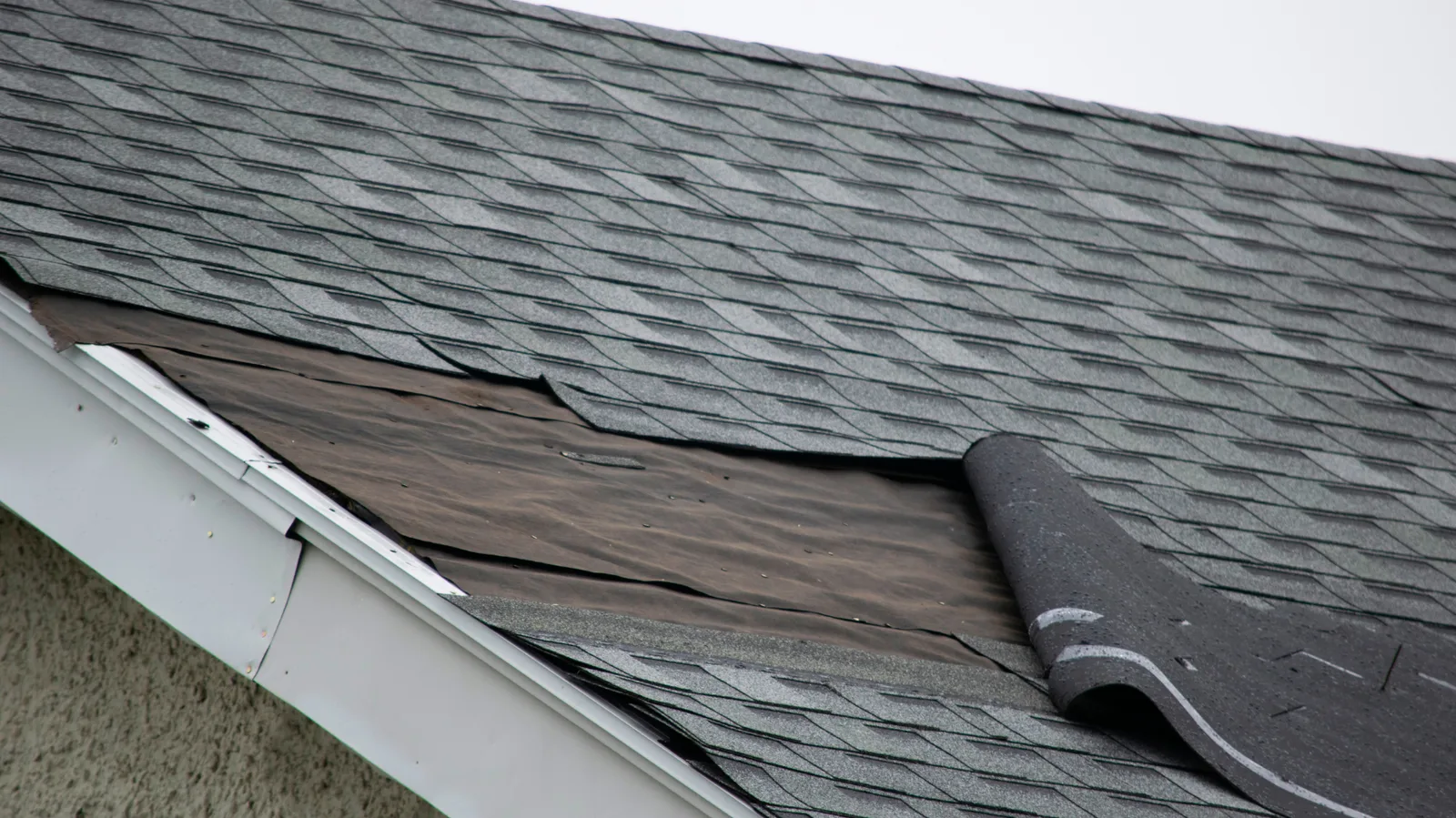
Coverage depends on the policy, cause, damage and exclusions. The insurer determines the claim. Cosmetic exclusions or separate wind/hail deductibles can change the result.
Not always. A policy can have roof-specific valuation or coverage terms. Review the actual declarations, endorsements and insurer’s explanation rather than assuming one whole-house label answers the roof question.
No. We help with the roof condition and roofing work question. Insurer coverage, payment and claim outcomes are separate decisions.
The Oklahoma Insurance Department’s wind and hail page and post-disaster claims guide explain consumer considerations. They provide general guidance; your policy terms control the particular claim.
Read the OID post-disaster claims guide for payment and valuation context.

Request a free inspection for the affected roof. Tell us about any active leak and whether a claim is already being discussed.