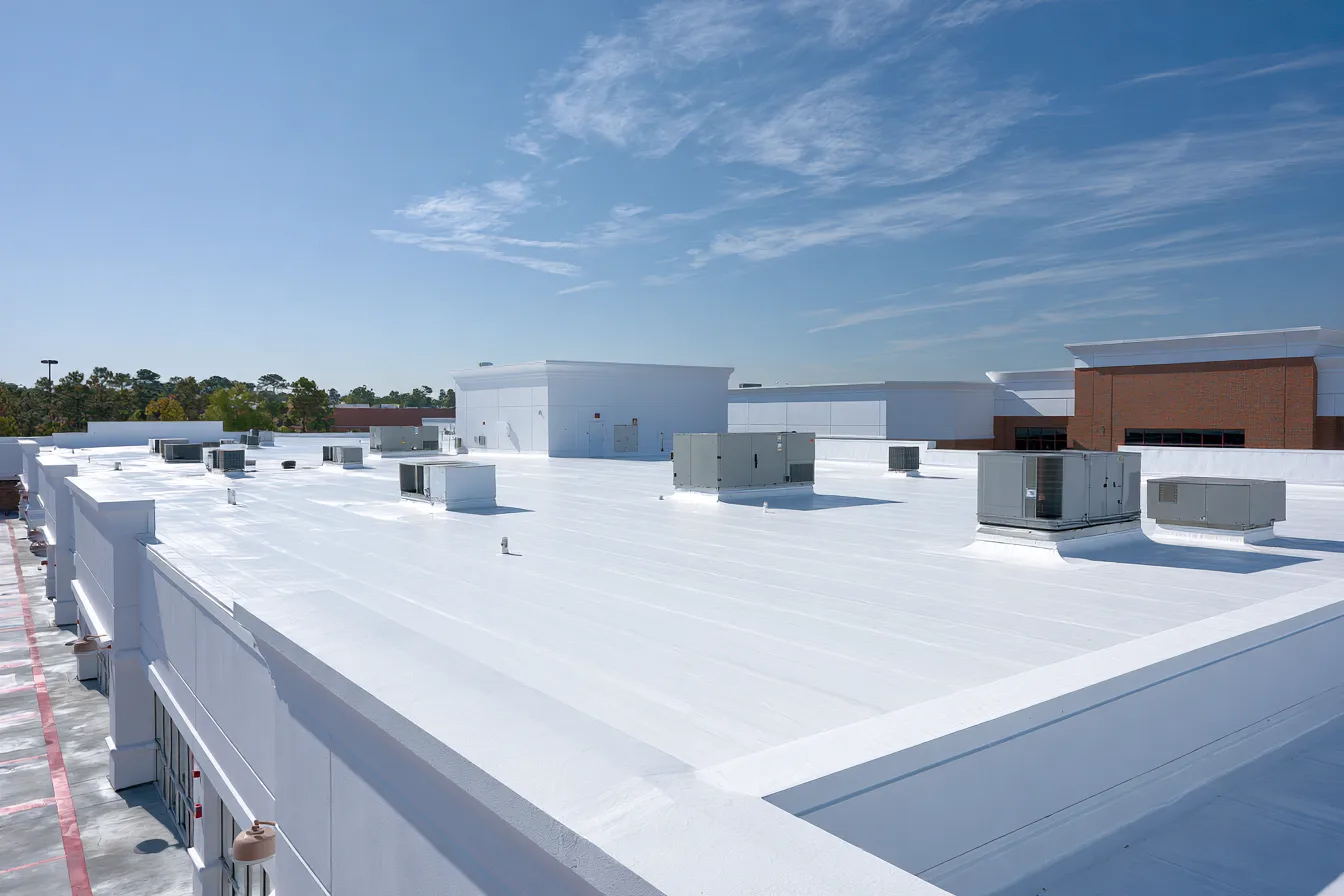
TPO Roofing
Understand single-ply membrane, welded seams, attachment and the insulation/drainage decisions behind a TPO project.
Explore this service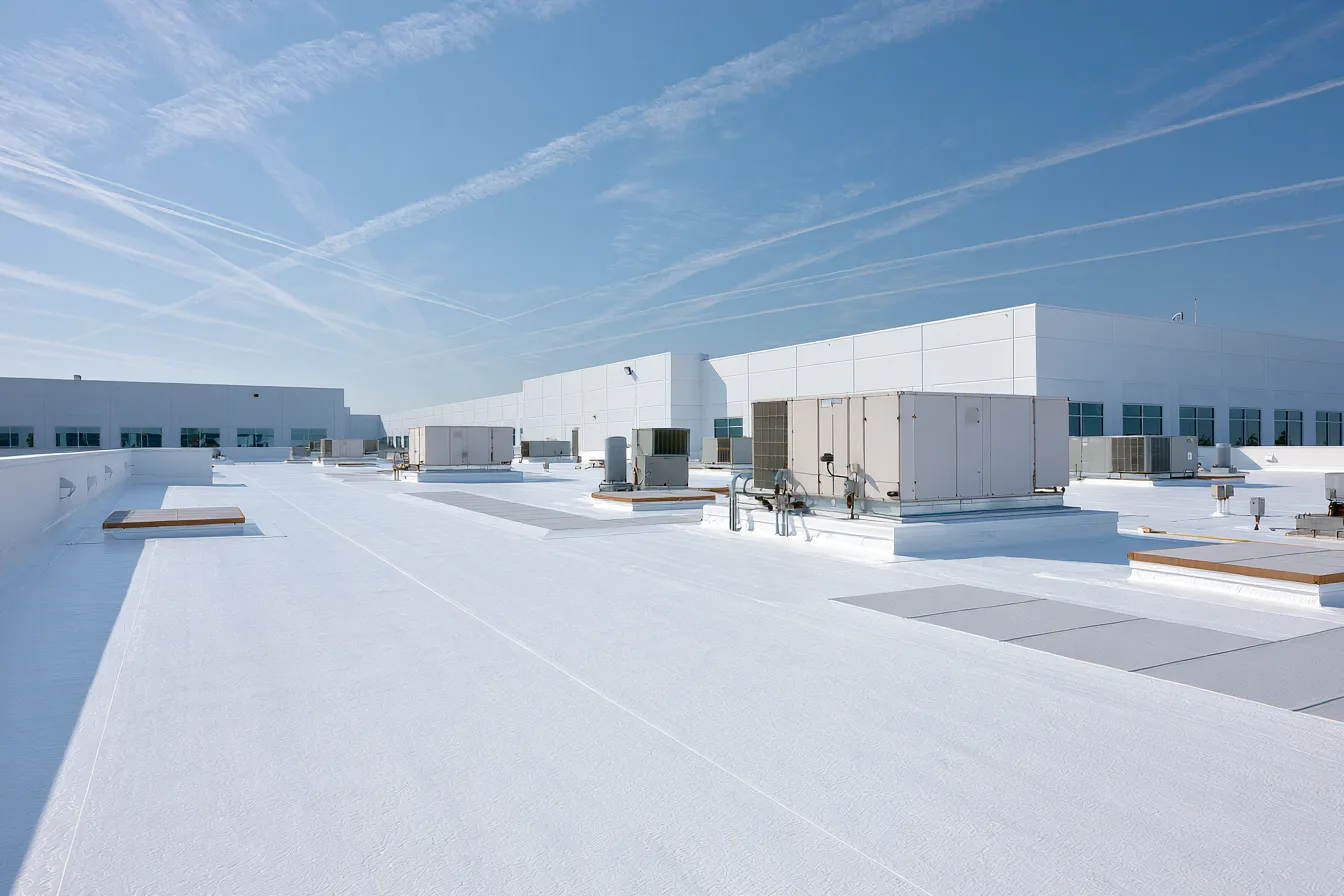
A commercial roof problem affects the building below it. Request a free roof walk to discuss leaks, membrane condition and the repair or replacement your property needs.
A leak above an occupied office, water near inventory and a worn roof nearing a planned capital project each need a different first conversation. Building use, the affected area and whether water is entering now establish the practical priority.
The roof decision then depends on the assembly: membrane or metal condition, seams, drains, roof edges, rooftop equipment and the layers below the covering. A local opening in a sound roof and wet insulation across several areas are different scopes, even when each produces one visible indoor leak.
Jenks Roofing Pros helps clarify those choices. We can discuss repair, restoration or replacement around the roof’s condition and the building’s operating needs. A roof walk is a starting point for that scope, not a promise that every concealed layer can be assessed from the surface.
Choose the roof question that fits the building, then consider the condition and scope together.
Understand single-ply membrane, welded seams, attachment and the insulation/drainage decisions behind a TPO project.
Explore this service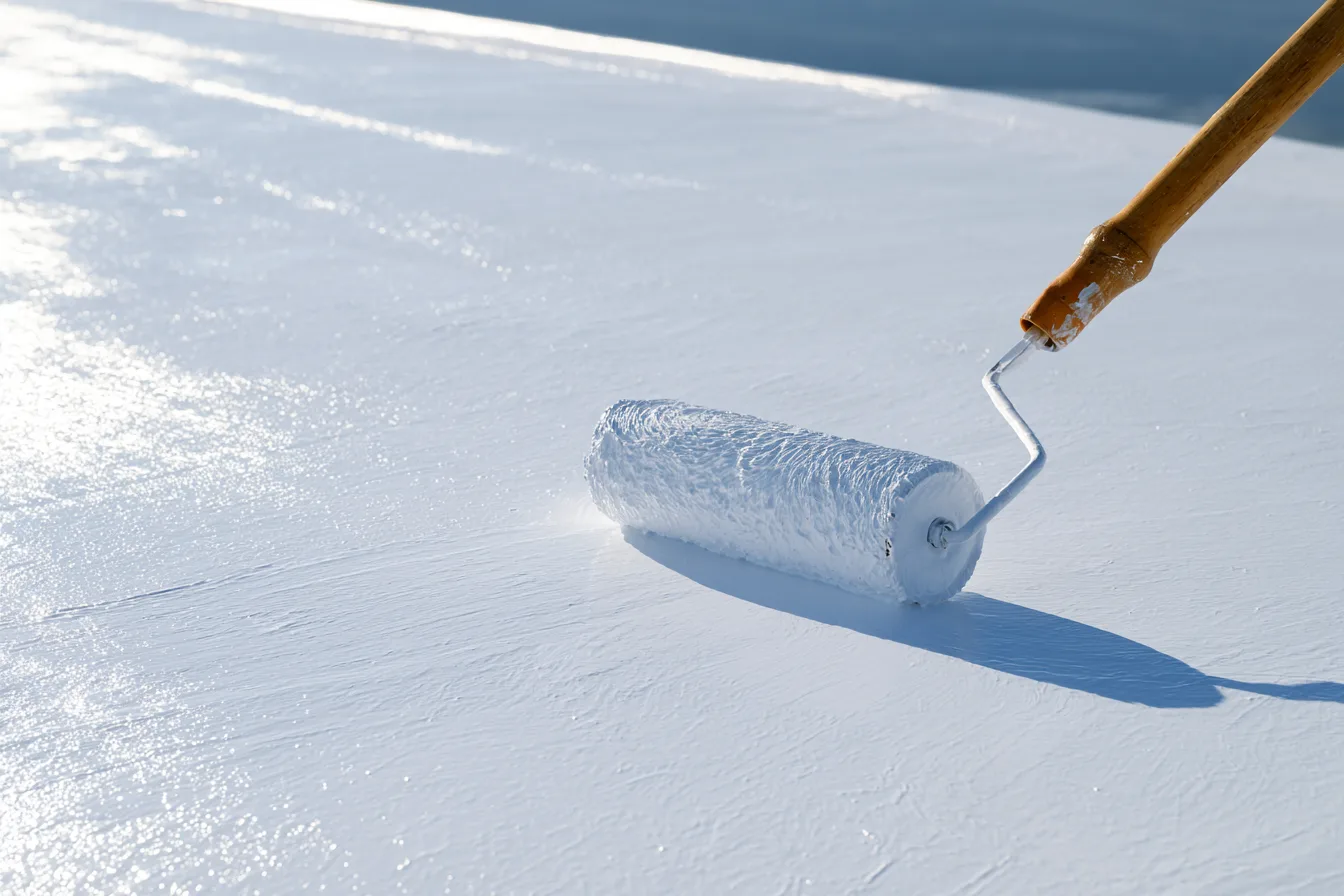
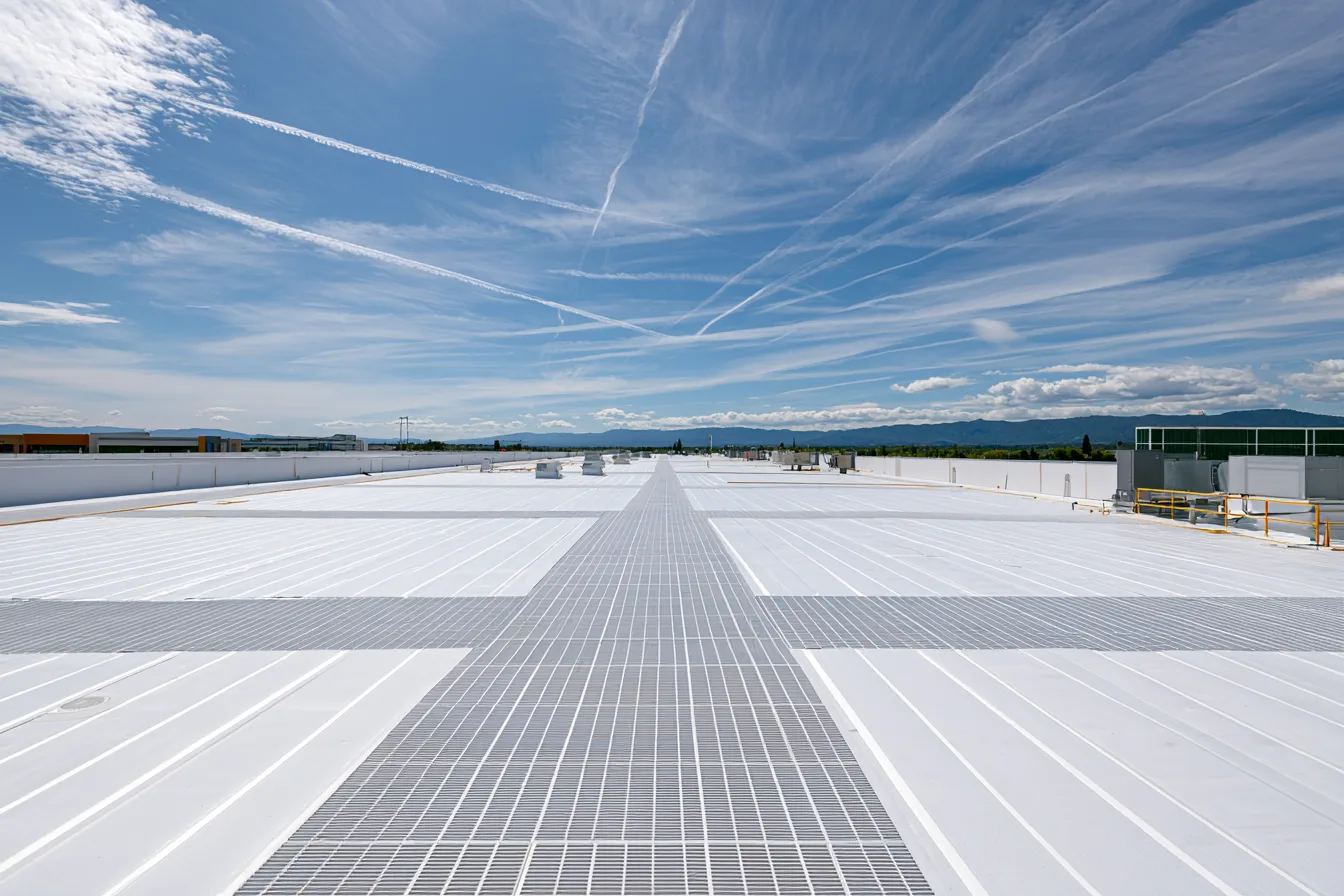
See when a sound existing roof may suit restoration and why wet layers, adhesion and details must be addressed first.
Explore this service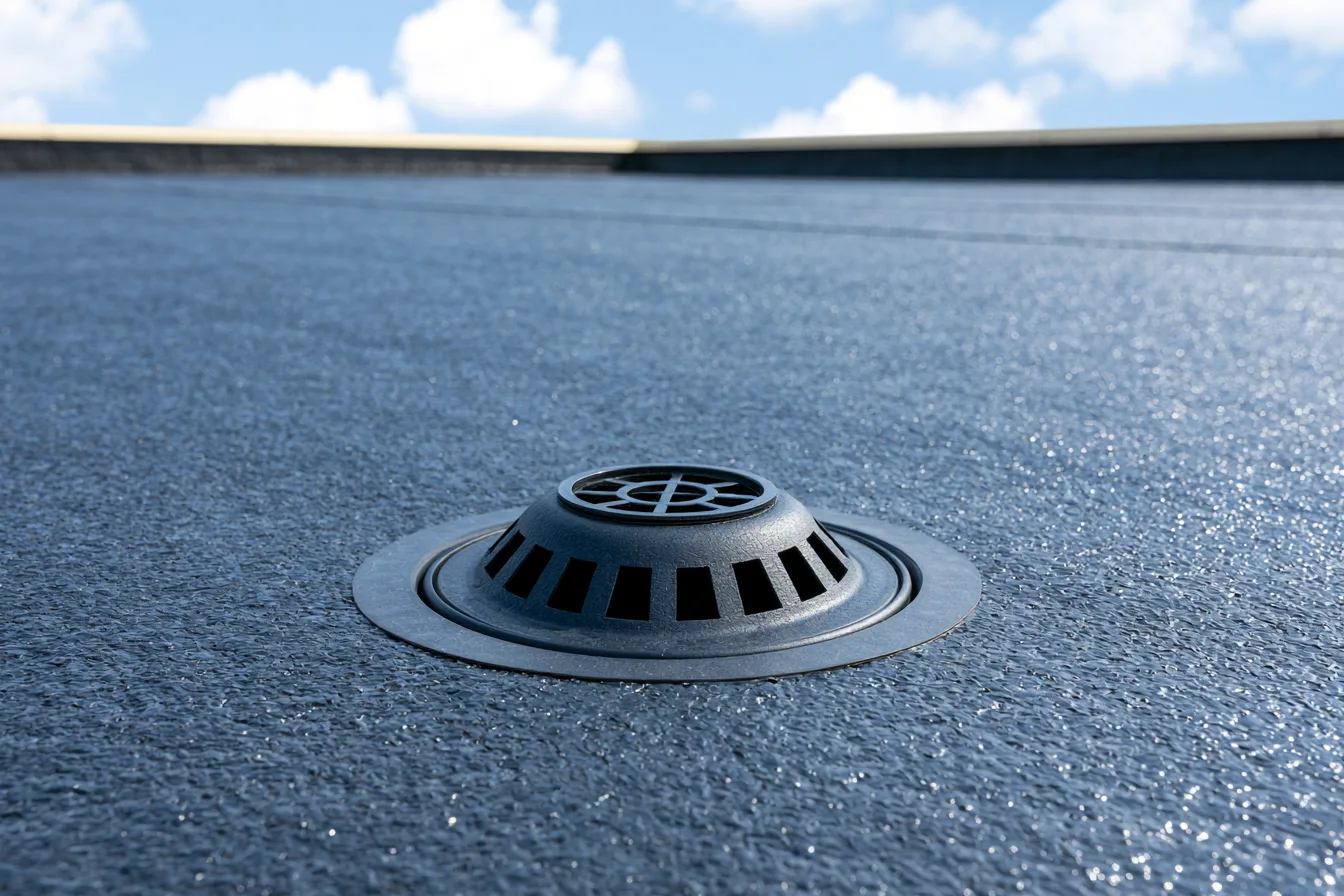
Follow a low-slope leak through seams, curbs and drains, with repair boundaries set by the affected membrane and underlying layers.
Explore this serviceA smaller initial scope is useful only when the retained assembly remains a sound basis for it.
| Path | When it can fit | What must be resolved |
|---|---|---|
| Targeted repair | A defined opening or failed detail with usable adjoining membrane or metal. | Compatible repair materials, sound attachment and the condition below the damaged area. |
| Coating restoration | An eligible, sound existing roof with preparation and details that suit the selected system. | Moisture, damaged material, adhesion and drainage; coating does not remove wet insulation. |
| Replacement | Broad deterioration, unsuitable retained layers or recurring failures that defeat localized work. | Removal scope, deck condition, insulation, drainage, attachment and new details. |
The roof scope and the way work reaches it need to be considered together.
Equipment routes, staging and access to the roof affect how repair or replacement can be carried out. A shared parking lot, loading area or narrow approach can change the setup. Discuss those constraints before delivery and debris handling are assumed.
HVAC curbs, vents and supports interrupt the roof. Roofing work must restore the membrane connection around them. Changes to equipment, electrical service or structural supports can require separate coordination rather than being treated as incidental roofing labor.
Tell us which spaces are affected and whether they must remain in use. Temporary roof protection and permanent work have different purposes. The practical sequence needs to reflect safe access and the building’s actual needs; a universal no-disruption promise would not be useful.
For a commercial decision, the useful result connects observed condition with what is still unknown.
Building use, leak locations, previous repairs and the current roof system help orient the examination. Share records already available; the roofing inspection should carry the roof investigation.
Seams, curbs, penetrations, edges and drains are checked in relation to the affected area. Apparent surface condition does not by itself establish whether insulation below is dry.
Moisture assessment or selective openings may be needed before pricing retained layers or coating restoration. Those needs should be explained rather than buried in an assumption that the assembly is sound.
The proposal should identify retained and replaced components, access, equipment coordination and unknown-condition handling. That makes repair, restoration and replacement comparisons meaningful.
A localized repair can fit when the failed detail can be restored and adjoining material is sound. Broad deterioration or moisture below the membrane can make the repair scope larger or shift the decision toward replacement.
No. A coating system needs an eligible, prepared roof with repaired details. Wet layers, unsound covering and drainage problems require their own correction. Restoration suitability has to be established before coating is priced as the answer.
Low-slope roofs need a drainage route. Existing slope, tapered insulation, drains and overflow provisions affect that route. Persistent water should be investigated rather than dismissed because the roof is described as flat.
That depends on the work, access, safety and building use. Discuss affected spaces and operating requirements when the scope is developed. No blanket promise of uninterrupted use is made.
Request a free roof walk and tell us the building use, affected area and whether water is entering. We’ll help clarify the roofing work to discuss.