Usable adjoining material
A local repair relies on the roof around it. Surface preparation and compatibility cannot compensate for broadly deteriorated membrane or unsound attachment. That condition may require a larger area to be restored.
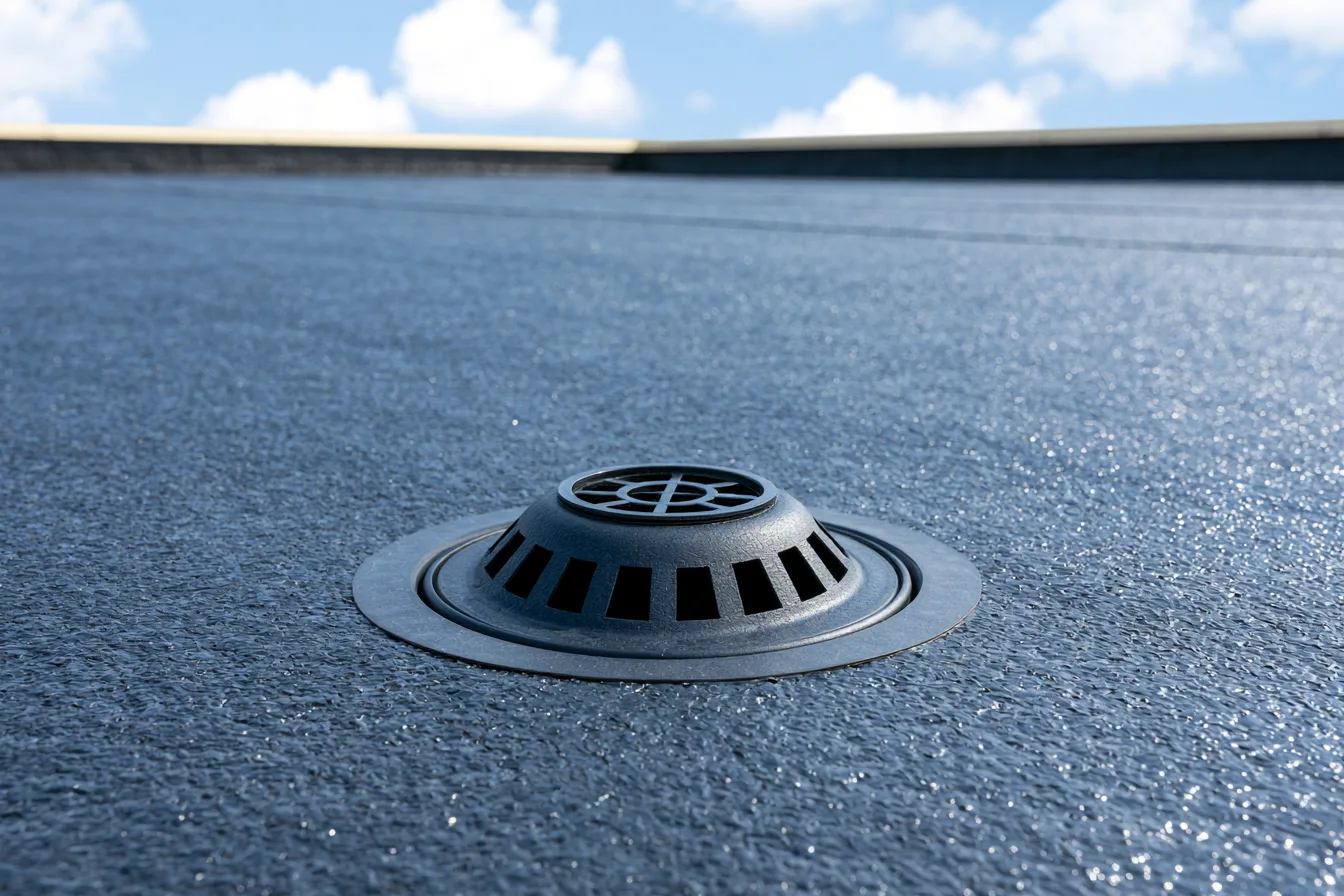
A low-slope leak needs more than a patch over the indoor stain. Request a free roof walk to examine the membrane, details and drainage around the affected area.
On a low-slope roof, water may remain near a detail or move below the membrane before appearing inside. A leak above one office does not prove the opening is directly over that room. Seams, curbs, penetrations, edges and drains all need to be considered in relation to the symptom.
The roofing material matters as well. TPO, other membranes, modified systems and metal have different compatible repair methods. A material that sticks to one roof is not automatically suitable for another. The existing surface and the condition below it shape the repair.
The aim is to restore a sound connection, not merely hide the visible gap. If moisture has affected insulation or decking, that material can become part of the work rather than being sealed beneath another surface layer.
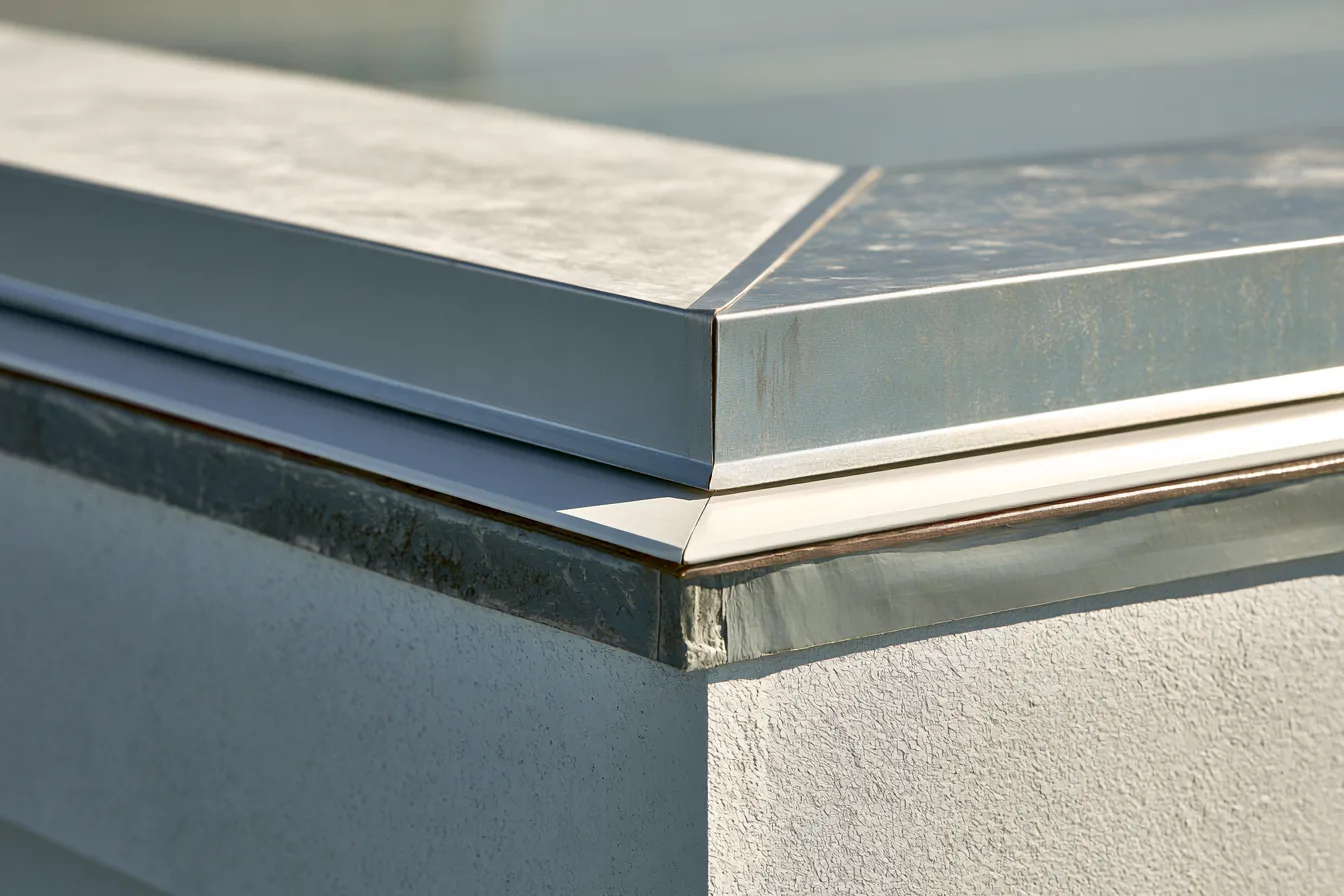
The roof walk identifies the relevant mechanism; the examples are not a diagnosis of the building.
| Detail | Possible water route | Repair question |
|---|---|---|
| Field seam | An open seam allows water between membrane sheets. | Can the adjoining membrane accept the selected compatible seam repair? |
| Equipment curb | A failed transition admits runoff beside the curb or flashing. | Does the detail need restoration, and is the surrounding membrane sound? |
| Drain and outlet | A failed connection or blocked route keeps water near an opening. | Are membrane detail, drain hardware and roof slope working together? |
| Puncture or service damage | A local hole admits water below the surface. | How far has the affected condition extended into retained layers? |
| Perimeter and edge | Movement or failed securement disrupts the roof boundary. | What attachment and flashing work is needed to restore the edge? |
The extent of the work follows more than the size of the visible opening.
A local repair relies on the roof around it. Surface preparation and compatibility cannot compensate for broadly deteriorated membrane or unsound attachment. That condition may require a larger area to be restored.
Wet insulation can spread beyond the visible defect. An accessible roof walk may identify a concern but not its full extent. Moisture assessment or selective opening may be needed to establish what material must be removed.
A drain blockage, failed detail and low roof area are different problems. Clearing an outlet may restore flow; a slope issue can need assembly work. The patch should not be expected to fix water that has no adequate route out.
Building use and safe roof access shape the sequence alongside the roof condition.
Tell us whether water is entering now and which spaces or equipment are affected. Temporary protection can be discussed separately from permanent work when the condition and access allow it.
The roof material, seams, drains and equipment connections are considered together. Repeated previous patches may help identify a recurring detail but do not establish the concealed condition.
Where needed, further investigation clarifies moisture and the base. The permanent scope should identify what is retained and what is replaced.
The repair joins sound adjoining material and restores the water route at the failed detail. Drainage and attachment concerns that caused or widened the failure need their own place in the work.
A defined defect in an otherwise usable roof can suit a targeted repair. Many leaks, broadly deteriorated surface, repeated connection failures or extensive moisture below the membrane can make another local patch a poor use of the budget.
That does not mean every old flat roof needs full replacement. A suitable roof may qualify for restoration after repairs and preparation; a roof with unsuitable retained layers may need removal and a new assembly. Those decisions require their own scope rather than being added as an unexplained upsell.
Compare the conditions on our commercial roofing page and see coating qualification if restoration is part of the discussion.
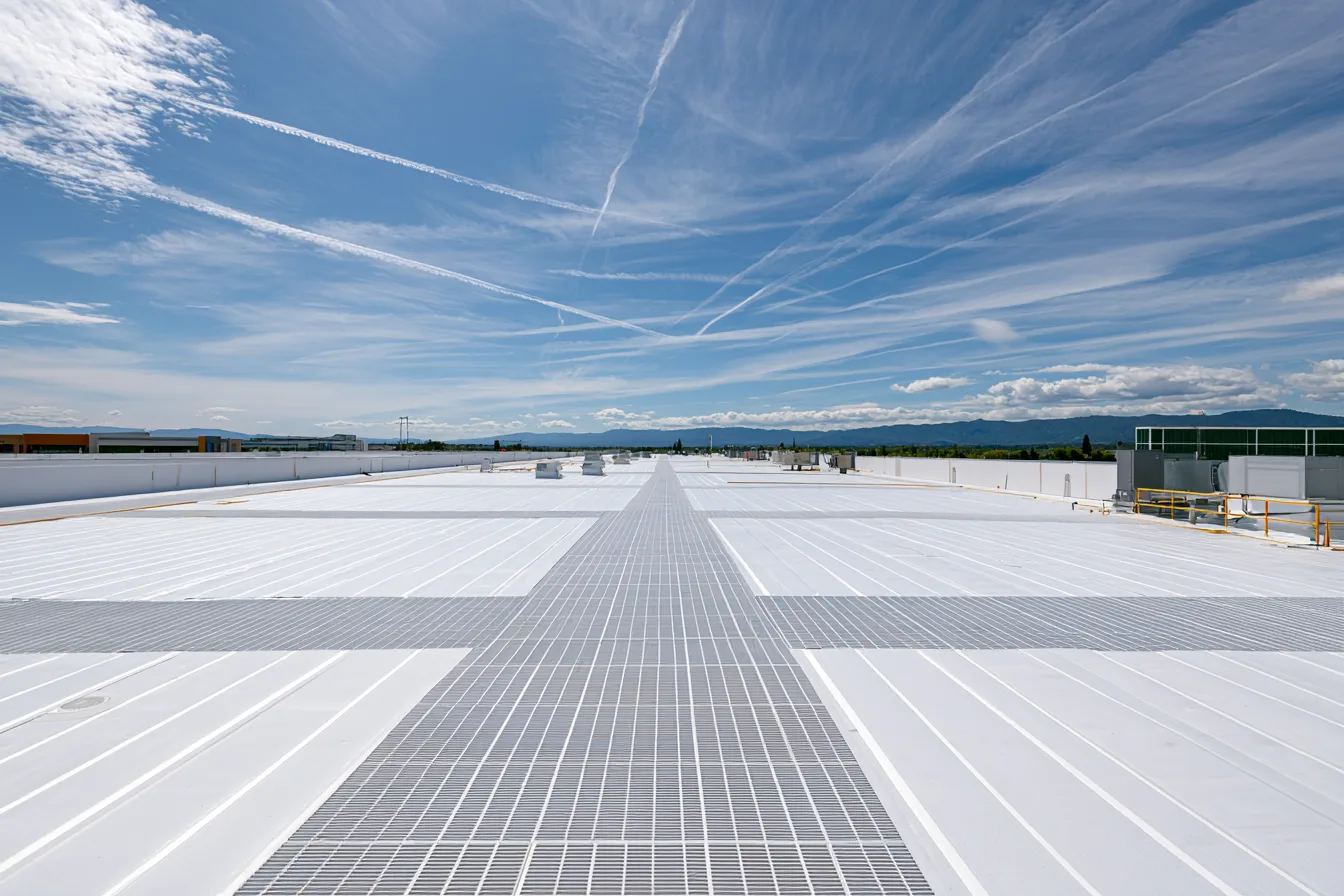
Not by itself. It does warrant a look at drainage and membrane conditions. The leak entry may be elsewhere, and ponding can involve outlet or slope concerns beyond a surface patch.
That depends on compatibility and the condition around them. Repeated patching can obscure the original detail or leave a weak surface. The roof needs to be examined before another repair is assumed useful.
The roofing scope addresses the roof assembly. Interior finishes, electrical damage or affected inventory are separate matters and may need other trades or the insurer’s review.
A localized repair can restore a sound area when the remaining assembly is usable. It is not a guarantee about every other part of the roof or its remaining service life.
Request a free roof walk. Tell us the building use and affected area so the repair discussion can follow the real roof condition.